I’ve been building game servers online since I was 12.
At 16, one of mine ended up hosting a political campaign, and then a national scandal.
Almost nobody I work with now knows this story. It’s worth writing down, and not for the reason you’d expect.
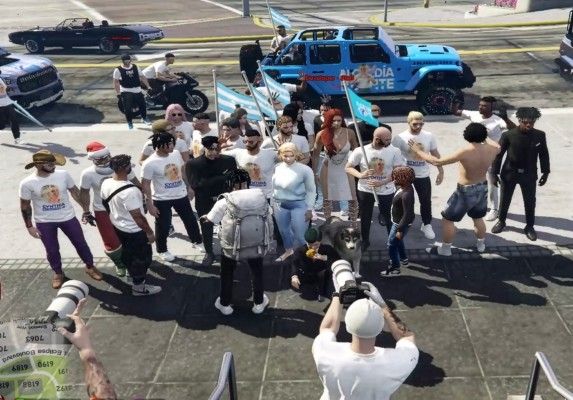
The rally, inside the city we had rebuilt. Those are campaign T-shirts
First, what a roleplay server actually is
Thirty seconds of context, because none of the rest lands without it.
GTA V is a game about crime in a fictional American city. People mod it, and the biggest thing to come out of the modding scene is roleplay: a private server where you commit to one character and stay in it. You’re a paramedic, a mechanic, a defense lawyer, a police officer, a car thief. Everything you do has to be something that person would plausibly do, and breaking character is the rule that gets you removed. People keep the same character for months, and log in most nights to be him.
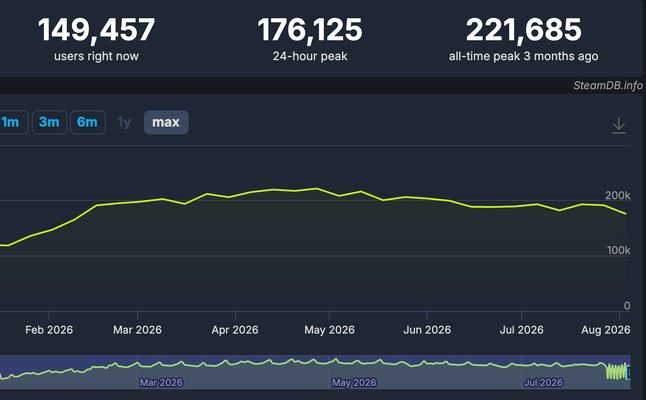
You already know the shape of this from Roblox. Worlds built by users, an internal currency, real money moving through it. Roblox paid its creators more than 1.5 billion dollars last year and averages around 130 million people a day.
GTA roleplay is the same idea with none of the corporate structure. Nobody official runs it. The servers exist because people modded a game they didn’t own, and there are more than 24,000 of them listed publicly in English alone, with tens of thousands of people inside them at any given moment.
The economy underneath it
By 2023 I was one of the owners of the first GTA roleplay server in Ecuador, on the technical side.
It existed because of a gap. There were roleplay servers set in Mexico, in the United States, in Argentina, in most countries you can name.
There wasn’t one set in Ecuador, so Ecuadorian players had plenty of servers to play on and none of them looked like home.
So we built Guayaquil, the largest city in the country, one to one. The stores, the hospitals, the streets people actually drove down. Players wore the local football clubs’ shirts, drove the cars people really drive there, and ate encebollado.
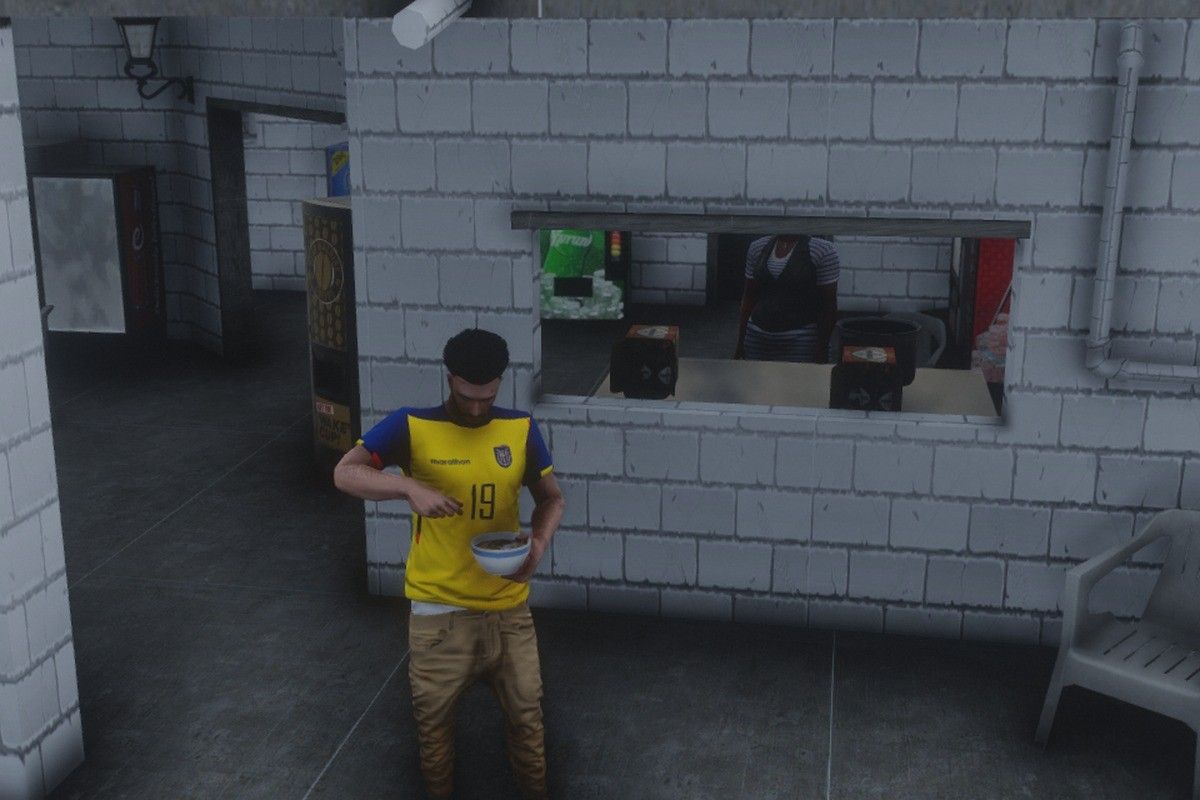
The national team jersey and a bowl of encebollado
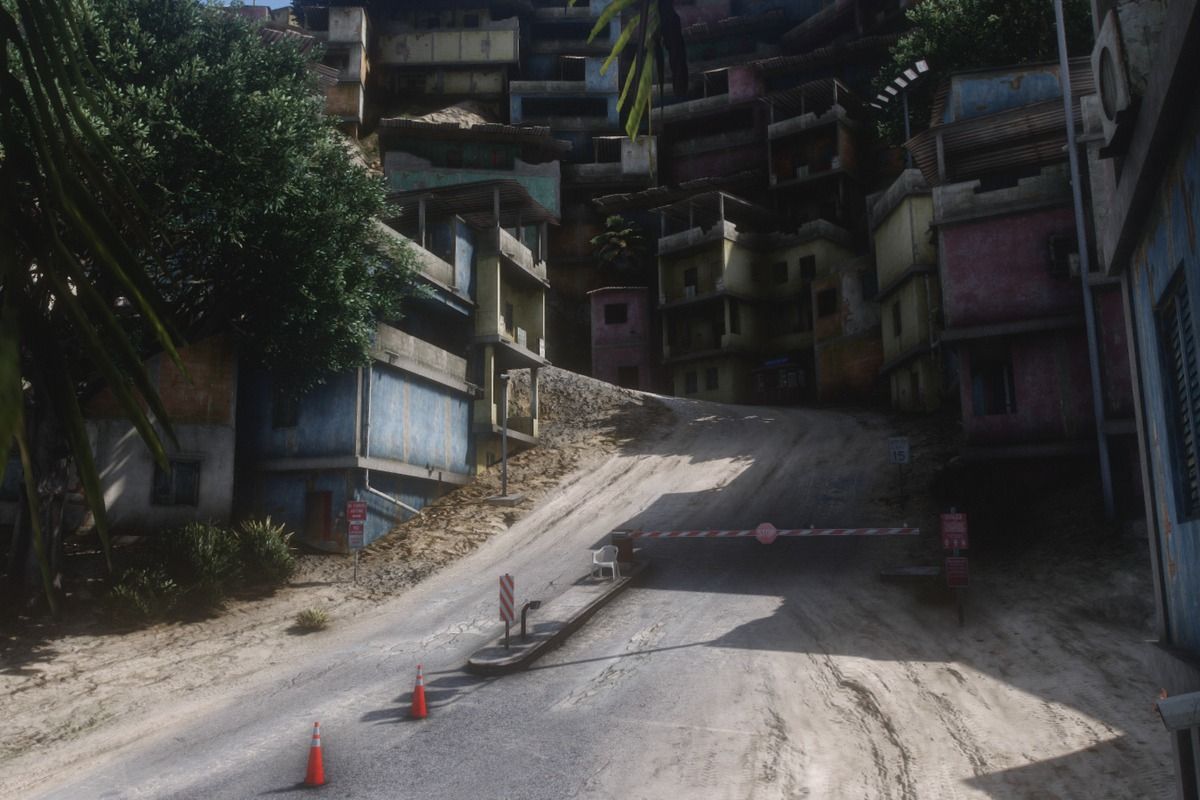
Neighborhood based in Guayaquil, Ecuador
We were also doing it for the money. That gap was a business, heavy demand with nobody supplying it, and we went after it like one. We sold whatever people wanted badly enough to pay for. Vehicles, mostly, because somebody had decided their character drove a BMW or a Porsche and they wanted it. Storefronts, so they could sell their own food. Custom clothing, houses, whatever you can imagine.
I wouldn’t have called that an economy at the time, but that is what it was: scarcity, status, property, and advertising space on the walls. And the only way to sell any of it was to build a place worth being in.
They were our customers. If the world got worse they stopped paying, and the server died.
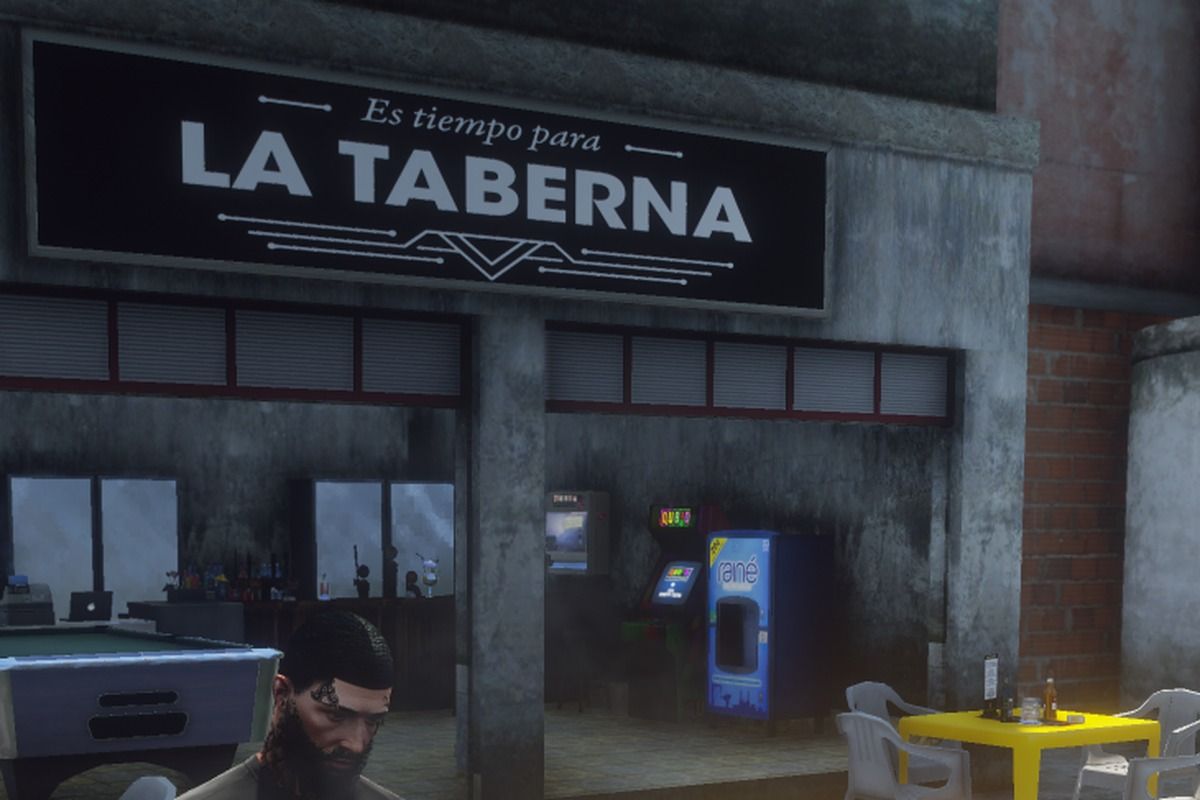
A bar, down to the local beer brand on the tables. Storefronts were one of the things we sold
The numbers got good fast
Four weeks in, it was working. A bit over two thousand registered players, and a whitelist with an actual interview to get in, which sounds ridiculous for a video game until more people want in than you can host.
Hundreds of them were online at once, and most of those were live on Twitch while they played, so on a given night the real audience was thousands of people watching at the same time.
That last number is the one almost nobody outside gaming understood. A roleplay server isn’t an audience of hundreds of people. Every player is broadcasting. The server is just where they perform, and the reach is in the streams on top of it.
Which is how a mayoral campaign found us.
They weren’t buying our server. They were buying every stream running on top of it.
What they bought was inventory: advertising space inside an economy we had built and barely understood, in front of an audience that was itself broadcasting.
And it was a completely different business from the one we were already in, which I did not notice at the time. Advertising inverts the alignment. Your players stop being the customer and become the product, and whoever is paying you has no stake at all in whether the world stays good for them.
We crossed that line without discussing it, for a five figure number, six days before an election.
What we built
GTA has advertising baked into its map already, billboards and posters nobody looks at twice. We took ours out and put her campaign posters up.
Our modding team built a character that looked exactly like the candidate, down to the clothes she wore in public, and we put her in a motorcade through the city we had rebuilt, stopping to talk to players about what she wanted to change.
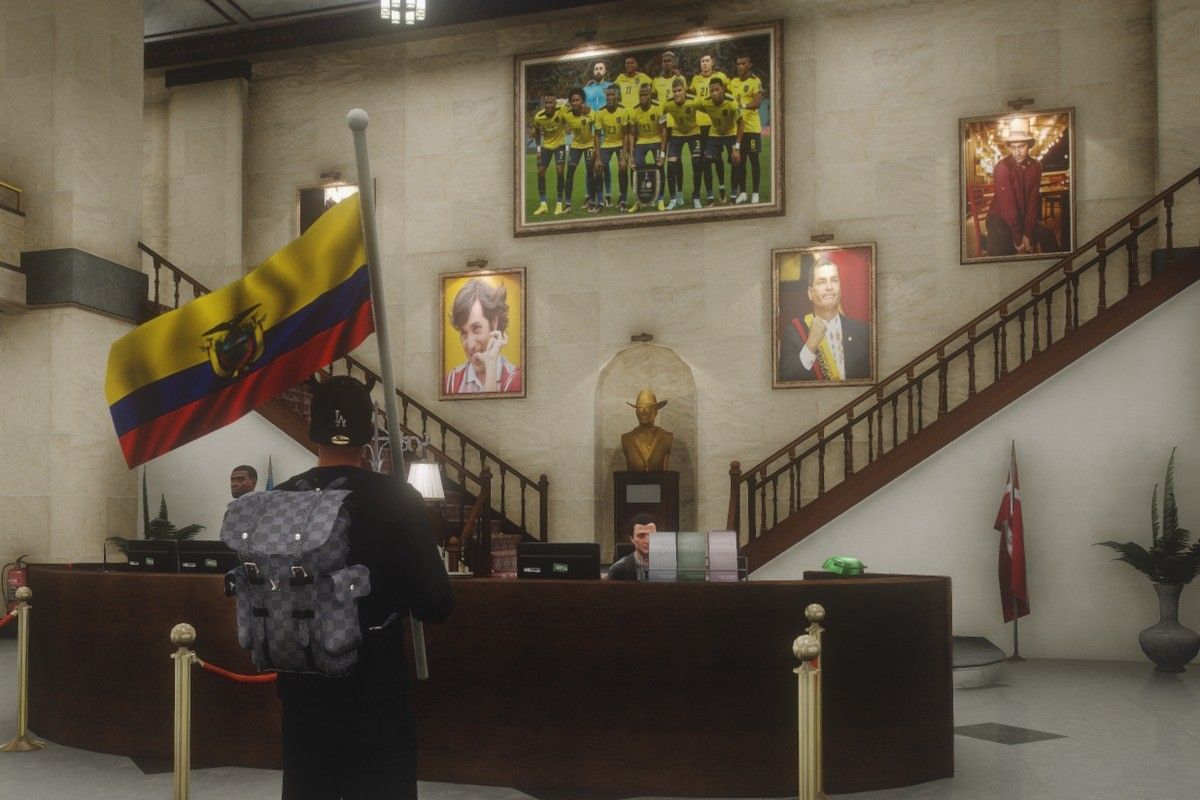
We rebuilt the public buildings too, including the portraits on the walls
She streamed it live on her own Twitch, six days before the election.
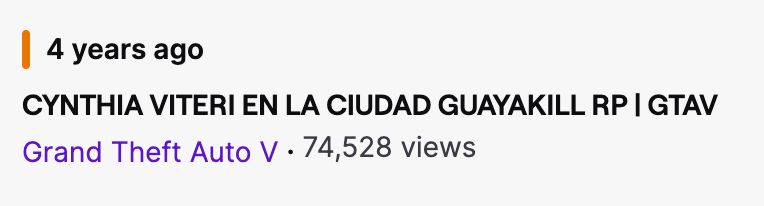
GTA roleplay is chaos by design, and you can’t switch that off in a settings menu. The players are real people with microphones. Any one of them could walk up and say anything at all, insult her, pick a fight, break character, drag the whole thing somewhere it wasn’t supposed to go, and it would happen live on every stream at once.
So we turned the violence off for the night, wrote a script for how it would run, and moderated the city live while it happened.
We had a staff of admins for exactly this: people whose job was to watch how players behaved, enforce the rules of the night, and remove anyone who came to ruin it.
It worked. The stream trended across Latin America on Twitch.
What the country saw
Our server was called GuayakillRP.
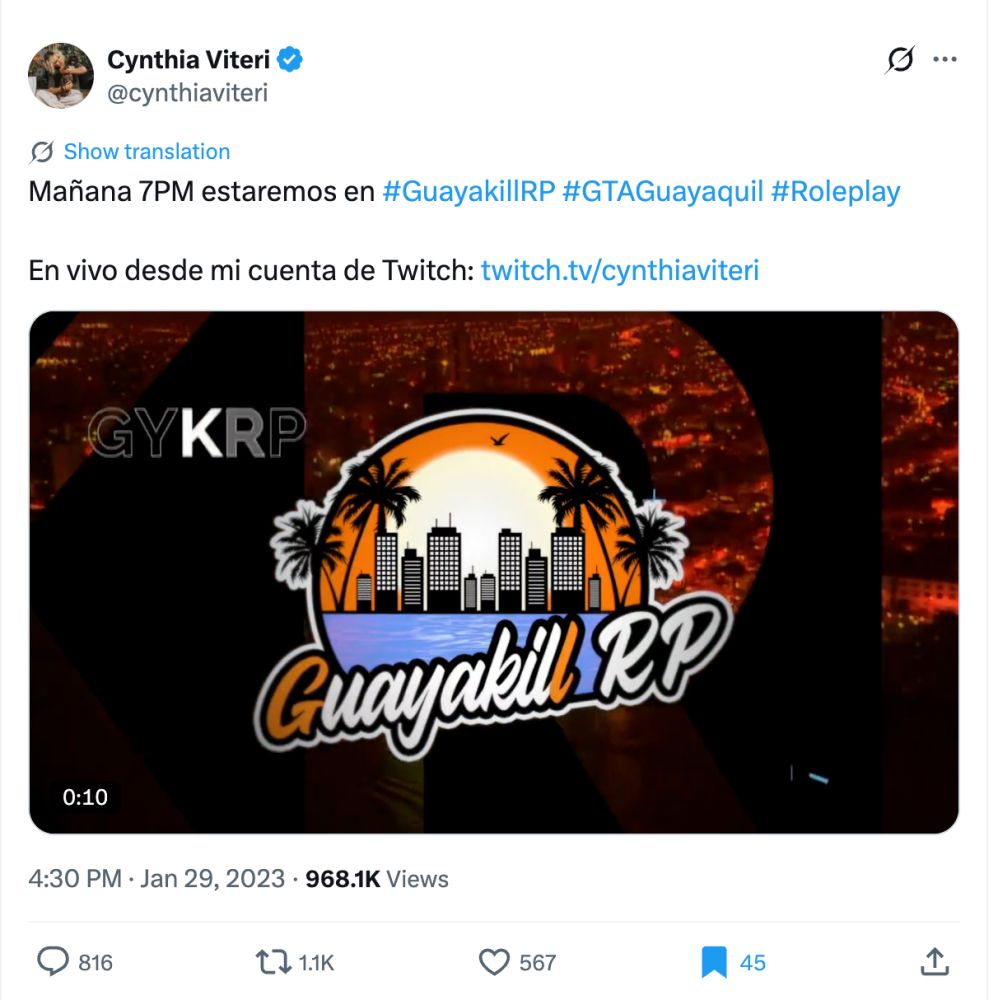
We didn’t invent that name.
“Guayakill” was already what a whole generation called the city, years before we existed, out of the rock scene and paintball and years of local slang.
To us it was just what people said.
What we didn’t think about was the month we were in. Guayaquil was going through a genuinely bad stretch, the kind everybody living there felt every day, and it was all anyone in the country was talking about that January. That was the month we opened the server and ran the event.
So a campaign held a rally inside a replica of that city, in that month, on a server with the word “kill” in the name.
The campaign never said a word. We did, in a statement explaining that the server was a fictional space for fun and that nothing violent would be permitted while she was in it.
The criticism that actually landed came from a political show the morning of the event, and it wasn’t anti-gaming. Their point was narrower and harder to argue with: the issue was never that she went into a video game, it was which one. One of the hosts said she could have built a hospital in Minecraft instead and none of this would have happened.
It wasn’t all one direction.
Our own players mostly took it well, and some of them were proud of it. Publicly, a few people made the same case: that this was a record audience of young people, not only in Ecuador but across Latin America, and a milestone for a local gaming community that had spent years being ignored by everyone older than it.
The strange part, looking back, is that the people inside the world and the people outside it watched two completely different events. If you had been logging into that city every night, a candidate showing up was recognition. If you were reading about it from outside, it was a joke about the place you live.
What happened to us
The server got bigger, and I want to be specific about that instead of hiding it.
Being the thing an entire country argued about for a week is, in plain business terms, the best marketing we could never have afforded. People who had never heard of the server came to see what everyone was shouting about, and a lot of them stayed.
More players meant more people buying vehicles and storefronts and clothes. The place had more relevance in that one month than in every month before it combined.
And advertisers noticed. The offers started coming in, including one from a phone brand everyone reading this would recognize.
I wouldn’t take that deal today. Not because of the money. We just never asked what we were putting our name next to, or how it would look to the people who actually live there. That’s the question I’d ask first now.
We hadn’t even invented it
We thought we had done something new. We hadn’t.
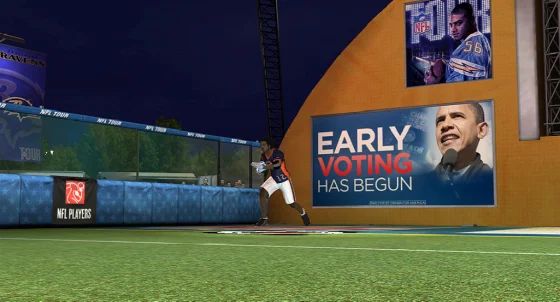
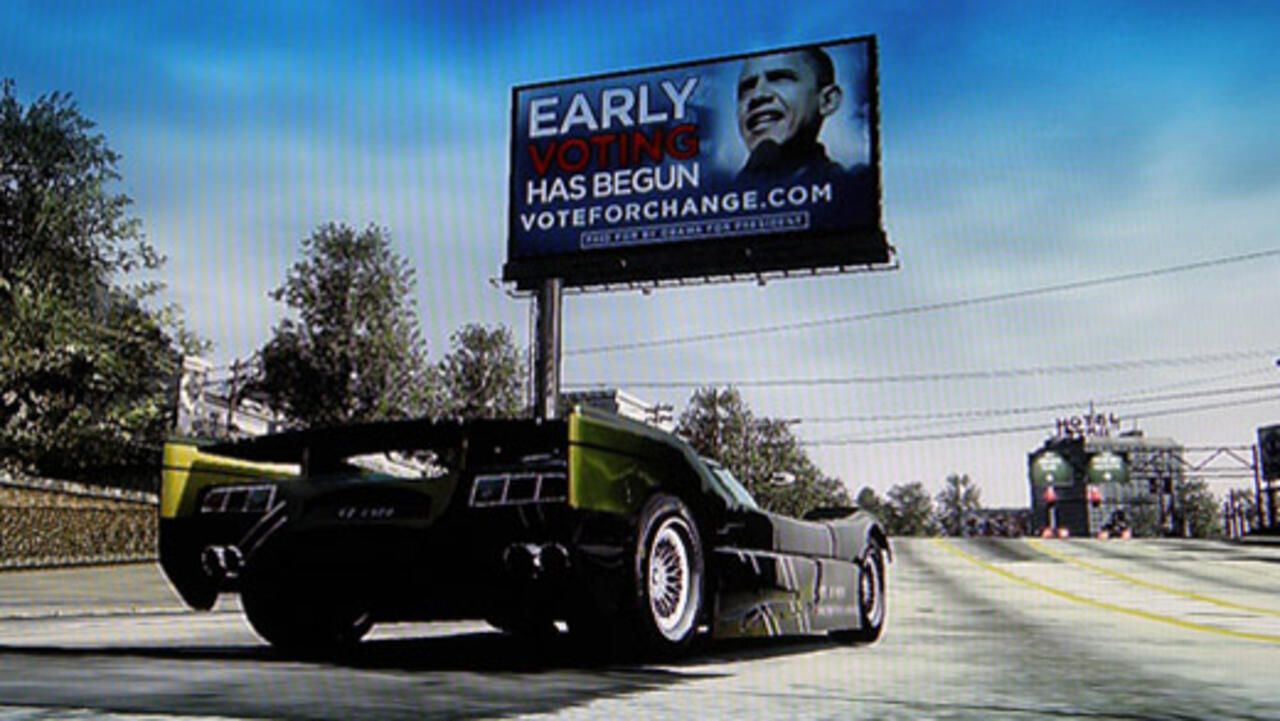
Obama’s 2008 campaign bought in-game billboards across Guitar Hero 3, NASCAR 09, Need for Speed, The Incredible Hulk and NBA Live, and had a character built for him inside the NBA game because he was known to play basketball.
The same mechanic, fifteen years earlier.
Where this goes next
None of what we did was official. We ran a business inside a game we didn’t own, and I assumed it would stay that way.
We also weren’t unusual. There are people all over the world doing versions of the same thing: taking a game somebody else made and building inside it something that studio never imagined, running worlds that thousands of people live in every night, and earning a living from it. Most of them are not companies. A lot of them are very young.
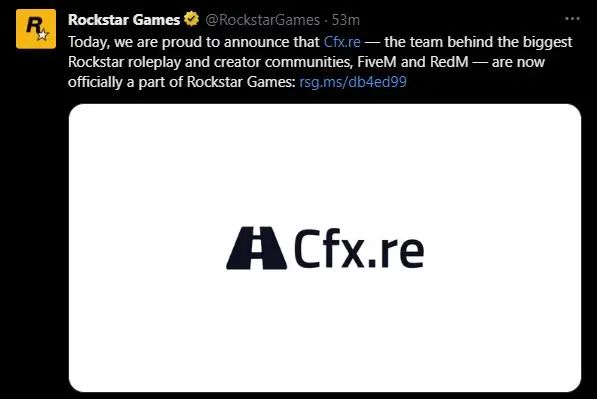
That is starting to get institutional. Six months after our scandal, Rockstar bought the team that made the software the whole roleplay scene ran on, and it has since publicly backed the biggest roleplay server there is, saying it is excited to support them building “the future of GTA RP.”
And GTA 6 ships on November 19. For scale, the game it replaces has sold 230 million copies and made over ten billion dollars, and this one is expected to be one of the biggest entertainment launches of any kind. What matters there is what a launch that size does to everyone’s attention at once.
What I expect is more people like us: teenagers who build a world because they want it to exist, then find out that a world with people living in it is a business.
Sources
-
Diario Extra, “Elections 2023: Viteri Announced a GTA-Style Video Game and Social Media Erupted with Criticism,” January 30, 2023. https://www.extra.ec/noticia/actualidad/elecciones-2023-viteri-anuncio-videojuego-guayakill-redes-estallaron-criticas-79711.html
-
Diario Expreso, “A Flood of Criticism After the Announcement of a Virtual Game Featuring Cynthia Viteri,” January 30, 2023. https://www.expreso.ec/guayaquil/lluvia-criticas-anuncio-juego-virtual-sale-cynthia-viteri-148878.html
-
Diario Expreso, “Guayakill, the GTA Roleplay Server That Caused Confusion on Social Media,” February 2, 2023. https://www.expreso.ec/ciencia-y-tecnologia/guayakill-servidor-gta-roleplay-genero-confusion-redes-sociales-149048.html